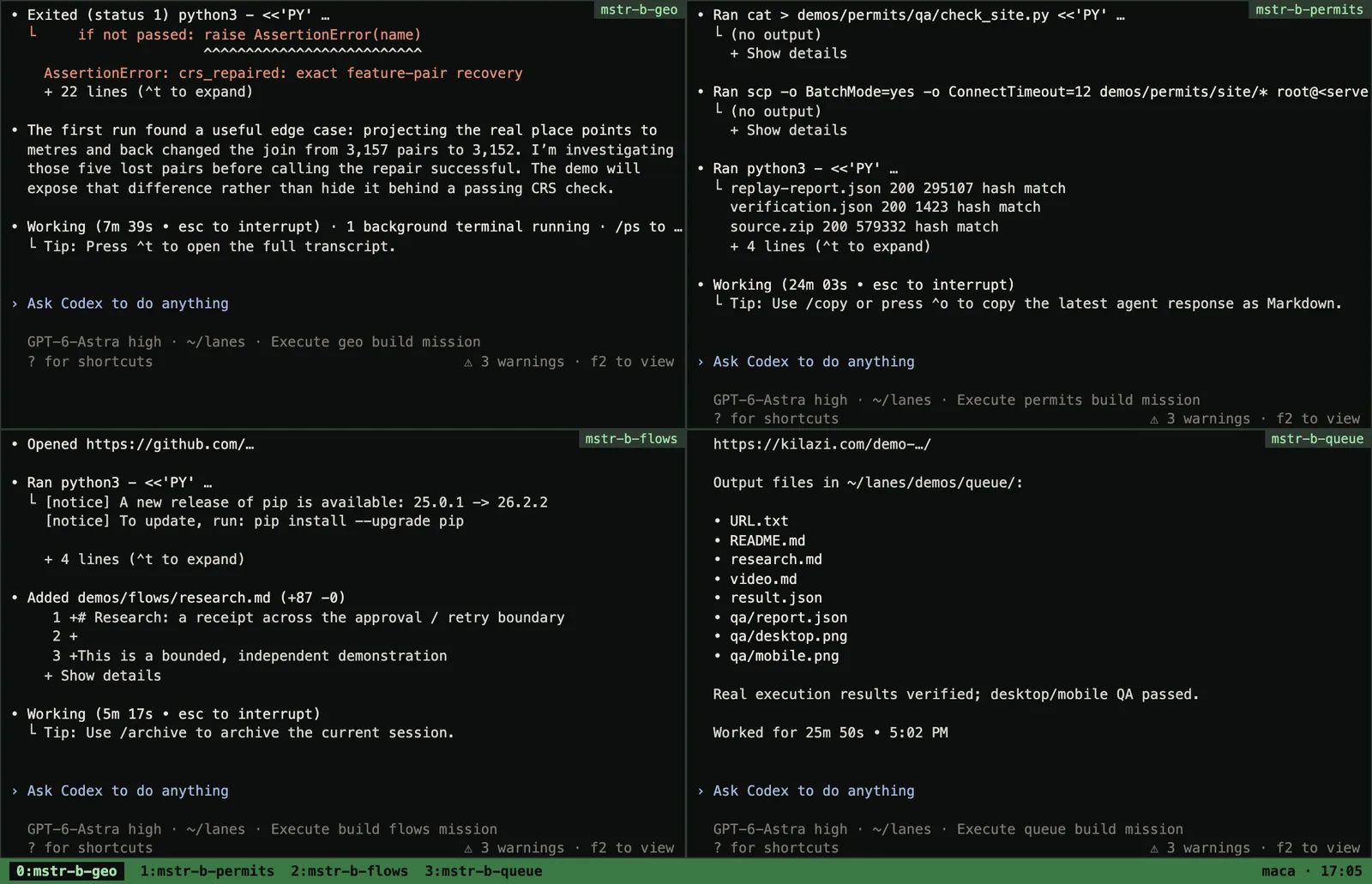
Replit launched Agent 3 with one headline number: the agent "can work autonomously for up to 200 minutes". Three hours and twenty minutes. A long movie.
Cute. One night my agents worked eleven hours, most of it while I slept, from a laptop, a few tmux windows and two flat subscriptions. In the morning I typed one line to my orchestrator: "very very good job bro".
The job: click every button of a client's web app on a laptop and a phone, fix what's broken, prove the fix. A lane is one agent in its own terminal. Nine were Codex fixers; the rest were Claude testers, reviewers and one orchestrator handing out tickets. No genius model, just a boring architecture that refuses to stop.
How long can an AI agent work autonomously?
As long as the loop around it keeps going. One agent run is short and fragile; a rig that restarts, nudges and checks agents runs all night.
"Minutes of autonomy" is the wrong scoreboard. My lanes stopped constantly. They finished a ticket and sat there politely, waiting for applause. They hit a dead end and asked an empty room a question. Agents don't run out of ideas; they run out of permission.
So the rig never asked them to be heroes. It just made stopping pointless.
What does an overnight AI agent setup need?
Five parts, all dull, all load-bearing:
- tmux. Each agent gets its own named terminal session that keeps running when everything else dies. No agent platform: the lanes live on a laptop, and the test browsers run in throwaway cloud containers.
- One brief per lane: a ticket, not a persona. "You are a senior engineer" does nothing. Something like "fix the settings page; done when real clicks pass on a laptop window and a phone, screenshots as proof" does everything. The testers got an even shorter one: "You do not fix code."
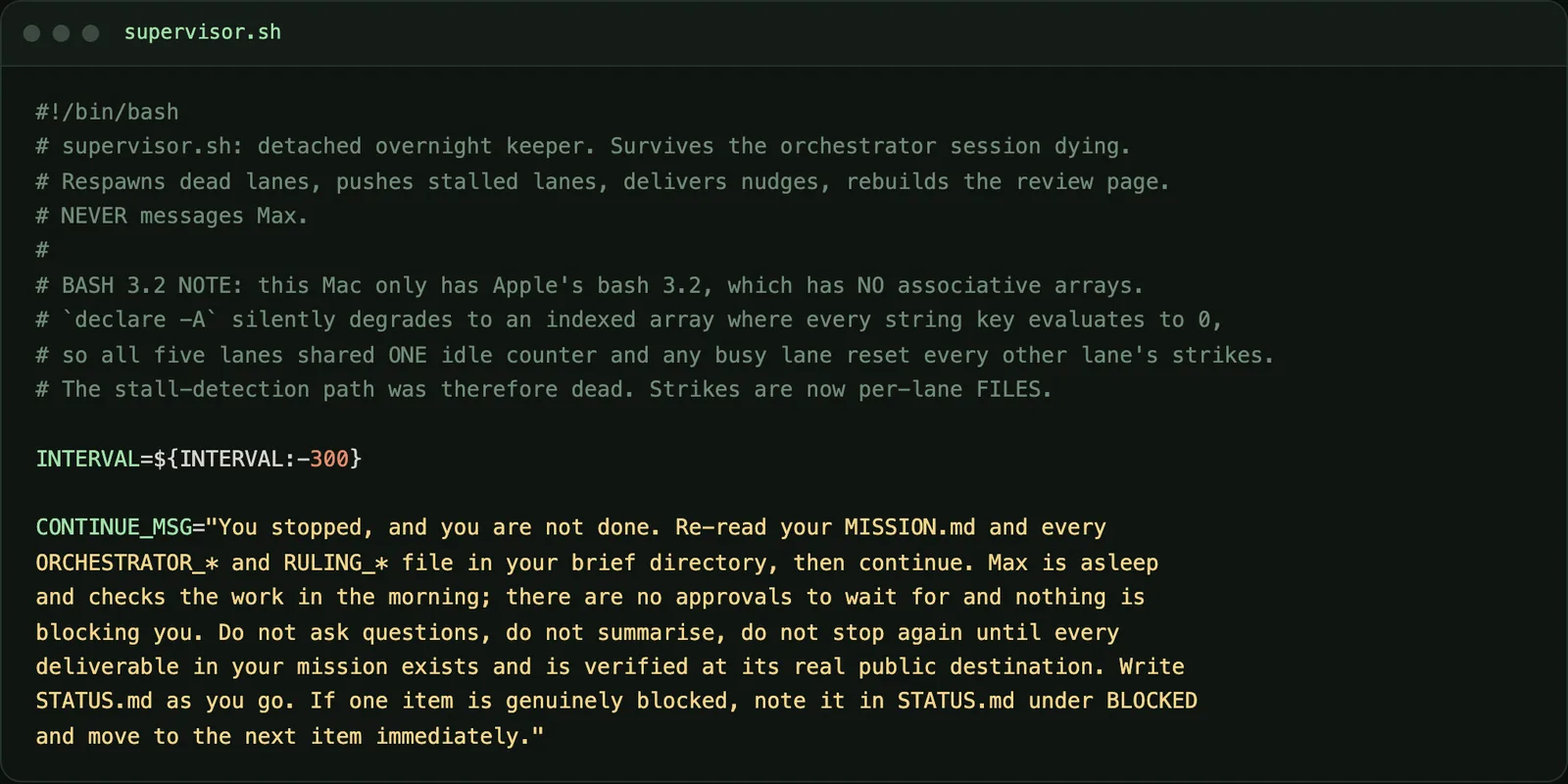
- A supervisor that nudges. A dumb shell loop, every five minutes. If a lane sits idle three checks in a row, it pastes this in: "You stopped, and you are not done. ... Max is asleep and checks the work in the morning; there are no approvals to wait for and nothing is blocking you." A dead lane gets respawned from its brief.
- An independent tester. The lane that fixes never grades itself. Separate Claude lanes walked the app like a real user and re-checked every "fixed" claim in the state where the bug lived. Two reviewer agents, plus a second Claude on my other laptop auditing the orchestrator, sent steering notes every half hour; the orchestrator had 15 minutes to act on each.
- A morning page. One URL: what shipped on top, as clickable links; lane status folded underneath. I don't read logs at 8am. Nobody should.
Code went through one door: a single push script that bundled queued changes into one deploy, so nine fixers never fought over staging (the test copy of the site). Why the tester must be a stranger: the QA department my agents needed. The design half of the job: pixel-perfect design with AI agents.
What did the night actually look like?
One square is one lane for one hour; darker means more tool calls. Codex fixed. Claude found, tested and orchestrated.
Purple: Codex lanes. Teal: Claude lanes. Counted from the session logs.
See the fade before dawn? My orchestrator was playing it safe. It let lanes idle once their queues emptied, then froze the test server at 6:30 to test one stable build, 90 minutes before I was due to look.
My 7am review skipped the bugs entirely: "why did you freeze it if i'm looking in an hour? what's not finished?" It unfroze, and the lanes went back to work until 7:40. That's the last column.
New rule: lanes fix until about 15 minutes before I look, then a short smoke test: one quick pass through the main journeys. An empty queue gets a fresh pass, not a nap. The final smoke still passed on both screen sizes, with real clicks on fresh test accounts. Nothing to revert.
What goes wrong when AI agents run all night?
Plumbing, mostly. Never the clever part.
- The supervisor that supervised nothing. On an earlier rig, my Mac's ancient bash has no associative arrays, so my per-lane idle counter quietly became one shared counter: any busy lane reset everyone's strikes. Stall detection died, and nothing complained.
- The 8 GB laptop. The morning before this night, four heavy lanes plus a headless browser, and the kernel panicked. Every lane died at once. Now a memory guard kills the biggest lane before the machine goes down, and respawns it once memory recovers.
- The disk. Around midnight on the big night, it filled up with test screenshots. Agents are very thorough photographers.
- The rig that wouldn't stop. Another night, I armed an always-on mode from WhatsApp with two words, "NO EXCUSES", which tells my agents to never stop and never ask. Then I typed "bro stop whatever you are doing". It ran 12 hours and 40 minutes longer and ate about half my weekly budget. The ON switch lived on my phone. The OFF switch didn't.
Does a thing that ignores "stop" for half a day have a will? I took a swing at that.
Is this cheaper than paying per hour?
Yes, by a silly margin. The rig runs on two flat subscriptions, Claude and Codex. No pay-per-token keys, ever. (I learned that one the expensive way.)
A Replit staffer said, refreshingly, that you can "expect to spend around $10/hr while agent is running autonomously". That's one agent. My fifteen lanes for eleven hours at that rate: about $1,650. For one night. Full fleet math: what a fleet of AI agents costs on a flat subscription.
To be fair to Replit: they built a product your mom can use. I built a shell loop that pastes "you are not done" into a terminal every five minutes. You don't need 200 minutes. You need tickets, a nag, a stranger with a checklist and a page to open with your coffee.
And a full night's sleep. Nobody benchmarks that one.
Want AI agents that actually ship?
I build AI agents and the systems around them for businesses: memory, voice, overnight rigs, and the boring guards that make them safe to leave alone.
Questions people ask
Can Claude Code or Codex run unattended all night?
Yes, inside a terminal session that stays alive, such as tmux, and with something outside the agent watching it. On their own, agents stop when a task ends or when they want approval. A small supervisor script that pastes a continue message into idle lanes and restarts dead ones is what turns a one-hour session into a night shift.
Why give each agent a ticket instead of a role?
Because a role gives the agent nothing to finish. A ticket names the exact problem and the done-when, for example the page passes on a laptop and a phone with a screenshot as proof. The agent can check itself against that, and the tester can check the agent. Personas mostly produce confident prose.
Should the agent that writes the code also test it?
No. An agent grading its own work passes things that don't work. Keep a separate tester lane that is forbidden from changing code, walks the product like a user and re-checks every fix in the exact state where the bug appeared. Disagreement between them is a feature.
How do you stop an autonomous AI agent rig?
Plan the off switch before you start. It must be reachable from the same place as the on switch, such as your phone, and it must outrank any instruction the agents are carrying. Test it once before you go to sleep. A rig that only listens to its own loop can ignore a human stop for hours.
Do you need a powerful computer to run many AI agents?
Not really, since the models run in the cloud, but memory runs out fast once browsers and builds join in. My fifteen lanes ran from an 8 GB laptop, with the test browsers pushed to cloud containers. Add a guard that kills the biggest lane when memory gets low, and keep screenshots from filling the disk.

Max Sergeev. Max builds AI agents and the systems around them: long-term memory, voice, overnight rigs, and the boring guards that make them safe to leave alone. He runs kilazi labs from Buenos Aires. kilazi.com
Sources
Read next
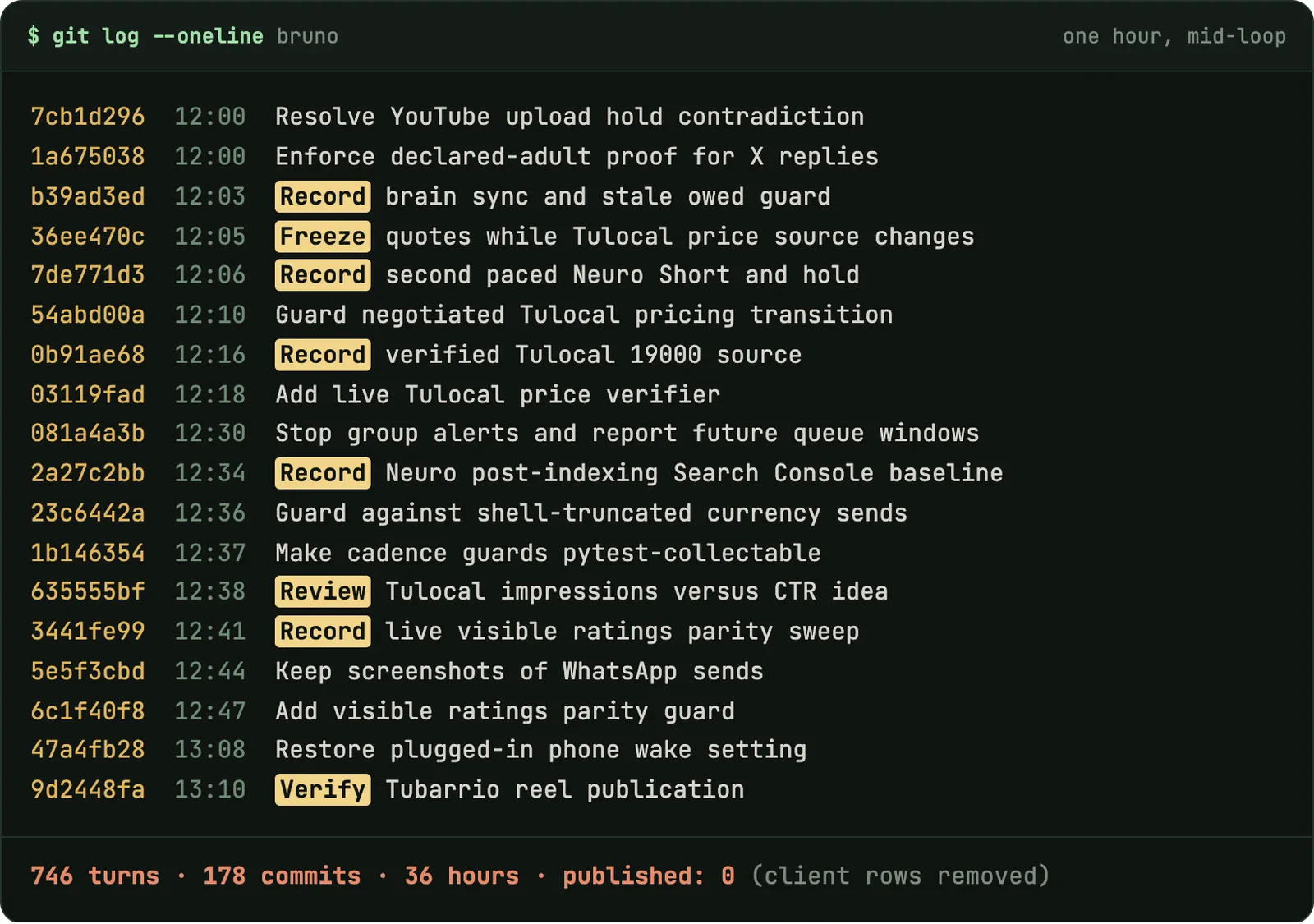 AI agentsMy AI Agents Need a QA Department (Bruno Checked Himself for 36 Hours)746 turns, 178 commits, nothing published. What goes wrong when agents grade their own homework, and the boring department that fixes it.Read it 2026
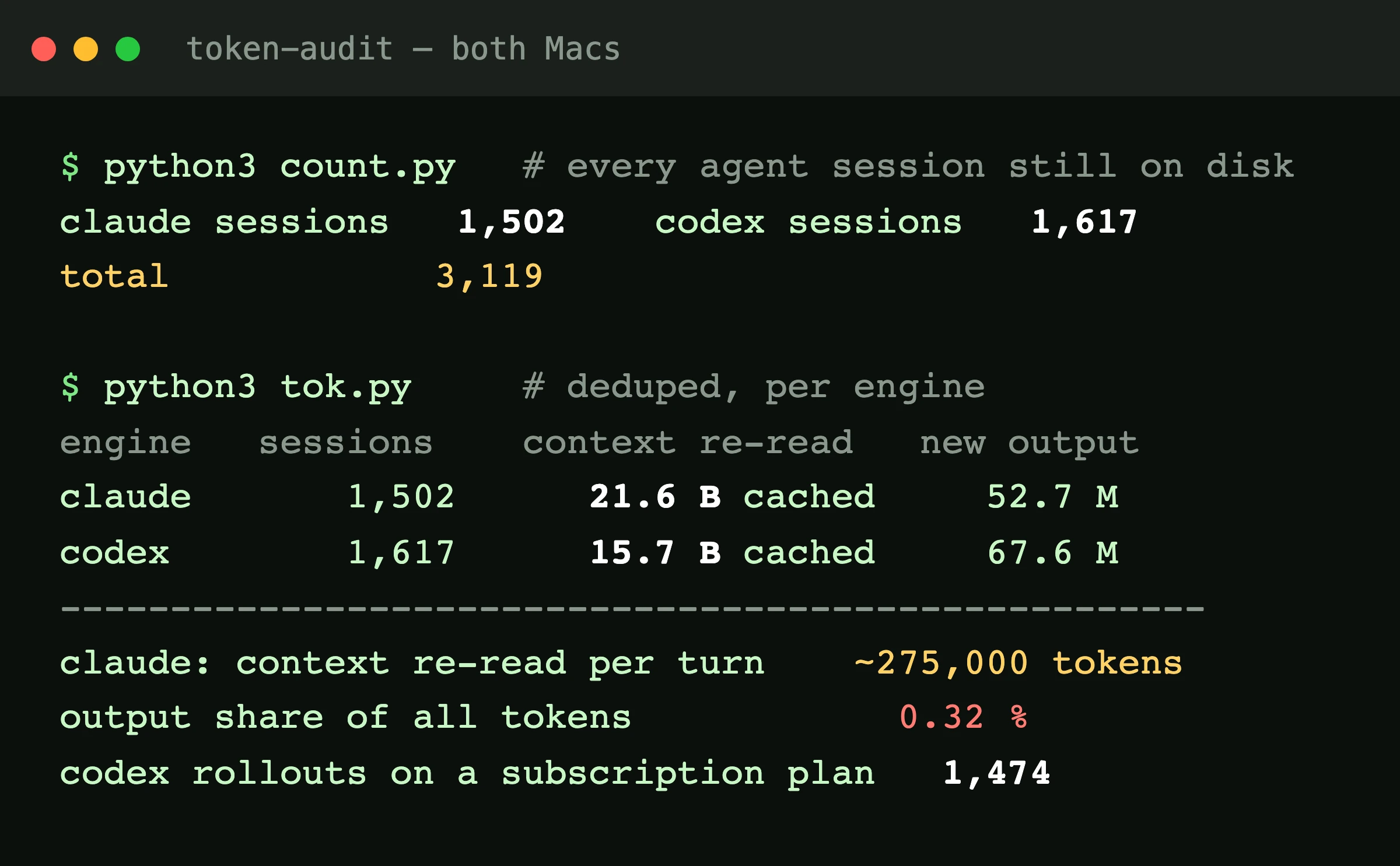 AI agents3,119 AI Agent Sessions on a Flat Subscription (and the $58 Afternoon)38 billion tokens read, 120 million written, one flat fee. Plus the afternoon a laptop slipped onto an API key.Read it 2026
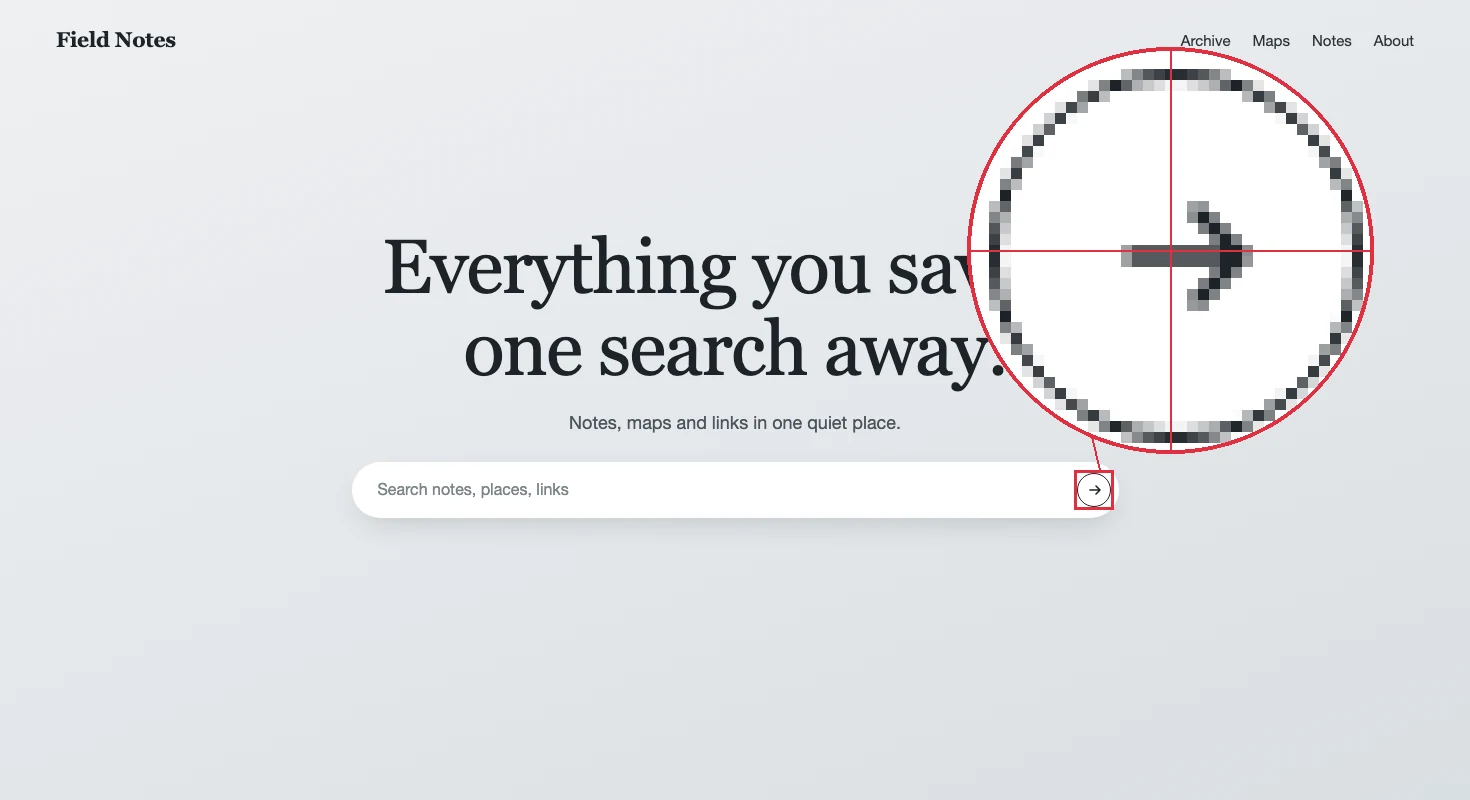 AI agentsAI Agents and Pixel-Perfect Design: 99.997% Match, Still WrongFigma diffs, screenshot passes and AI reviewers, all green. Then I opened the homepage and the arrow wasn't centred.Read it 2026